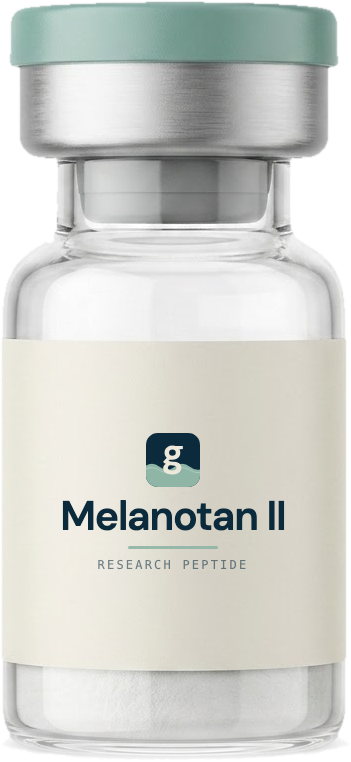
Melanotan II
Melanotan-2 is a synthetic analog of α-melanocyte-stimulating hormone (α-MSH) studied for melanocortin-receptor pigmentation response; research protocols typically use 250 mcg subcutaneously as a loading dose, titrating within a 100-1000 mcg range.
Best for
Adults exploring research-context pigmentation modulation or melanocortin-receptor pharmacology. Not appropriate for use as a tanning agent without dermatologic supervision
What to expect
Pigmentation changes typically visible after 1-2 weeks of consistent loading; appetite and other systemic effects often within days
Pairs with
Generally used standalone given its broad melanocortin-receptor activity
Subcutaneous injection on a loading-then-maintenance schedule. Specific protocols vary widely. Initial doses typically 0.25mg with gradual titration
- How often
- As needed
- When
- Pre-event
- Route
- Subcutaneous
- Vial & water
- 10 mg vial in 3 mL = 3.33 mg/mL · 250 mcg = 7.5 units on a U-100 syringe
- Cycle
- Most dose pre-sun, not daily; an optional daily loading phase builds a base faster
The same numbers the goodtides app and the Dose Calc use — a research reference, not a prescription. Responses are individual; research protocols start at the low end.
Melanotan-2 is a synthetic analog of α-melanocyte-stimulating hormone (α-MSH), a 13-amino-acid peptide naturally released by the pituitary gland. The endogenous hormone activates the melanocortin receptor family (MC1R through MC5R), which mediates pigmentation, appetite regulation, sexual function, and immune modulation.
Melanotan-2 itself is not FDA-approved for any indication; research and self-administration outside clinical trials exists in a legally ambiguous space.
Melanotan-2 was originally developed in the 1980s at the University of Arizona as a candidate skin-cancer prevention compound. The hypothesis was that pharmacologically-induced melanin production via MC1R agonism could provide UV protection without requiring sun exposure.
Subsequent research identified that its effects extend significantly to MC4R (involved in appetite suppression and sexual desire) and MC3R, which is why related compounds like Bremelanotide (Vyleesi, FDA-approved for hypoactive sexual desire disorder) emerged from the same research lineage. Side effects can include nausea (especially with initial doses), facial flushing, increased libido, and darkening of existing nevi (moles).
Research-protocol use typically includes baseline dermatologic screening to map moles and monitor for changes. Not to be confused with afamelanotide (Scenesse), which is FDA-approved for erythropoietic protoporphyria.
- Half-life
- ~1-2 hours (reported)
- Peak
- ~30-90 min post-SC (sexual effects)
- Absorption
- Subcutaneous injection in research settings
- Bioavailability
- Not well characterized; negligible oral bioavailability (peptide)
References2
Log every dose, count every vial, and verify your batches — free in the goodtides app.
This page is educational reference material about compounds studied in research settings. It is not medical advice, and nothing here is a recommendation to buy, possess, or use any compound. Research findings described are from published literature; individual compounds may not be approved for human use. Talk to a licensed clinician about anything that affects your health.